For two years I maintained a second brain. That is what the essays called it. A vault of notes, tagged and backlinked, a garden I was supposed to wander through whenever I needed an idea. I had capture inboxes and weekly reviews and a graph that looked, if you squinted, like intelligence.
What I actually had was a museum of thoughts I never returned to. The notes were well-dressed and lonely. I would open the graph, feel a brief pride, and then go write in a cheap notebook because the graph did not want a sentence. It wanted a system.
A notebook, the paper kind, is a terrible database. It cannot search. It cannot remind you. It will not surface a quote from March when you need it in November. That used to feel like a flaw. Now it feels like the point.
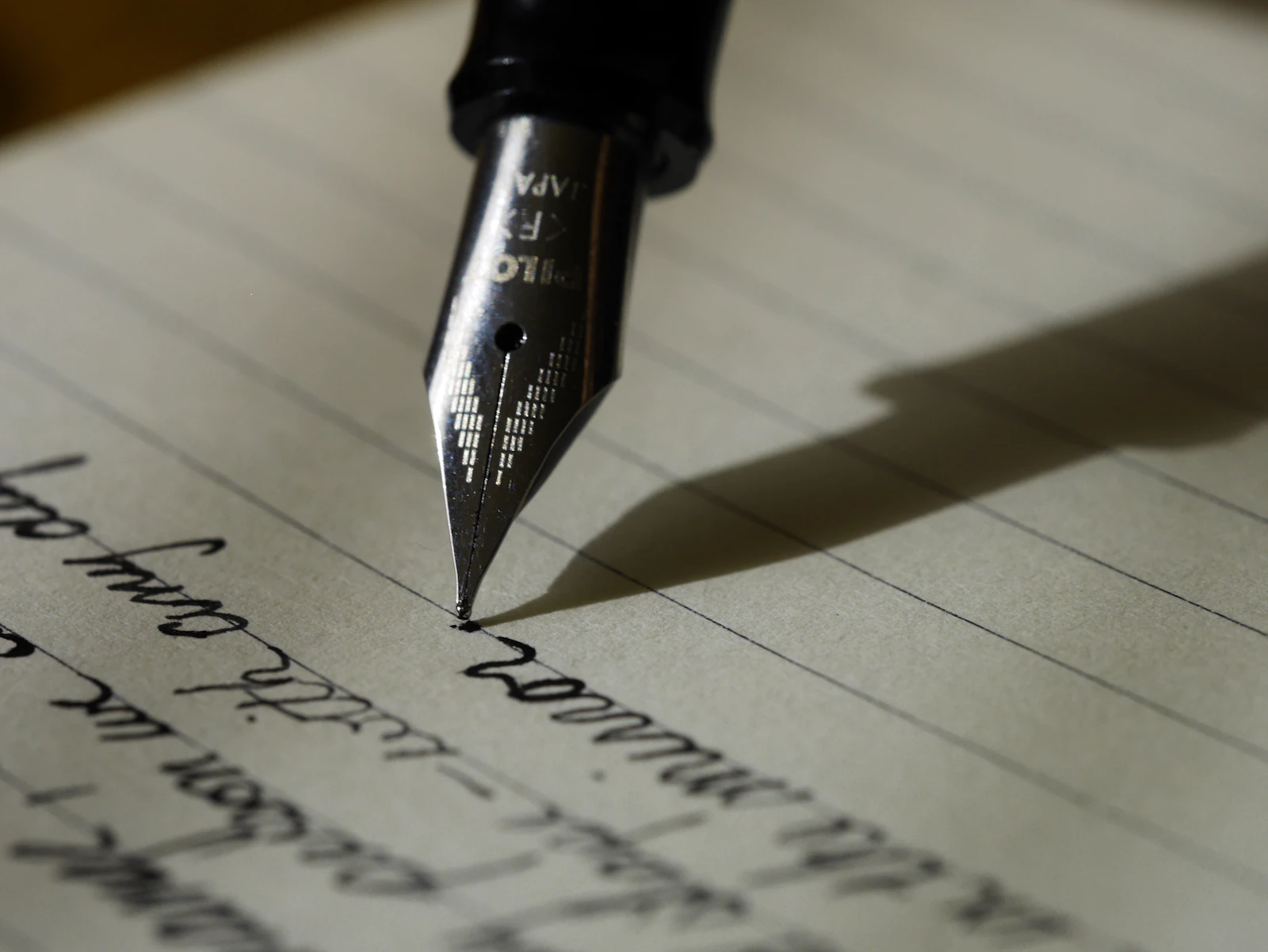
When I write in a notebook, I am forced to decide what is worth the ink. The page does not expand. My handwriting gets worse when I am excited and smaller when I am unsure. There is a physical record of hesitation that no markdown file can keep. Later, when I reread it, I do not just retrieve a thought. I retrieve the weather of the thought.
I am not against tools. I still keep dates and drafts on a computer because computers are good at not losing things. But I stopped asking software to think on my behalf. Thinking, for me, happens in the ugly middle of a paragraph, when I do not know the next word and the notebook has no autocomplete to offer. That stall is the work. A second brain is often a way to skip the stall.
There is also the matter of privacy. A notebook you can lose on a bus is a notebook you can be honest in. I write worse when I imagine an audience, even an audience of future-me with a search bar. The paper page is slightly embarrassing, which is useful. Embarrassment is a filter. It keeps the performance out.
People ask how I organize it. I do not, not really. I date the top of the page. I copy a sentence I like into the next notebook when I start a new one. The rest is allowed to remain a pile. If an idea is important, it will bother me until I write it again, better, in a different room. Recurrence is a better ranking algorithm than any tag I ever invented.
I used to fear forgetting. I treated memory like a leaking roof. Now I think forgetting is part of how an idea earns its keep. The notes that survive the walk home, the shower, the week of not opening the book — those are the notes that wanted to be essays. The rest were just me being busy with myself.
A notebook is not a second brain. It is a first conversation. It is slower, ruder, and less impressive than a knowledge graph. It also, inconveniently, is where my actual writing still begins. I open the cheap book. I write a line that is not ready. I stay there long enough for the line to disagree with me. That disagreement is thinking. No app has learned how to host it yet.
2 likes